
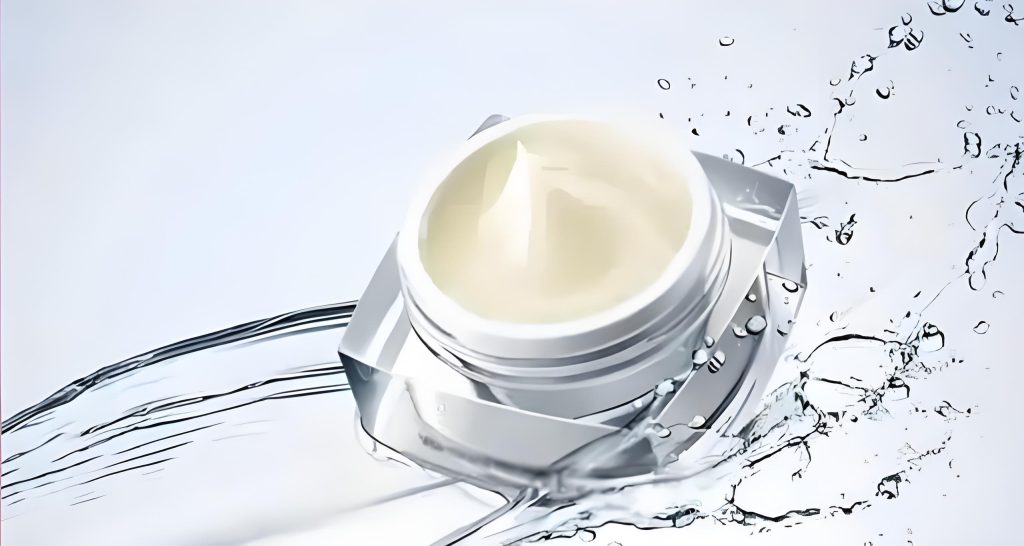
The FDA's definition of cosmetics does include a range of products that are used in various forms in everyday life to cleanse, beautify, add attractiveness, or alter appearance without altering the structure and function of the human body. Thus, the category of cosmetics includes moisturizers, skin care products, lotions, perfumes, lipsticks, foundations, blushes, nail polishes, and so on.
The general cosmetic products you mentioned usually only need to follow the FDA's cosmetic regulations and complete the necessary factory registration and product listing procedures. For cosmetic products with specific benefits, such as OTC drugs (i.e., certain drugs that do not require a prescription) or products that serve the dual function of a cosmetic and a drug, the registration requirements for these products will be more stringent.
Performance cosmetics (e.g., anti-dandruff shampoos, fluoride toothpastes, anti-cavity toothpastes, antiperspirant deodorants, and sunscreen foundations and lipsticks) are often subject to more stringent FDA drug regulatory requirements for drug registration and docket procedures.
If the same cosmetic product functions as both a cosmetic and a pharmaceutical product, it should be registered according to the higher standard. In other words, if the product has both cosmetic and pharmaceutical properties, it will need to follow the registration requirements for pharmaceutical products, which are subject to more stringent standards of manufacture, labeling, safety and efficacy.
For those companies that produce both cosmetics and drugs, they must accurately determine the classification of each product, ensure that their respective products are in compliance with the appropriate cosmetics or drug regulations, and complete the appropriate registration and filing procedures before proceeding with FDA registration.
Overall, it is important to understand the FDA's distinction between cosmetics and drugs, and the registration and filing requirements to ensure compliance. This can help companies avoid possible compliance risks and ensure that their products are legally marketed in the US. If you need further information on specific registration steps or compliance strategies, please contact Green Circle.
"Global e-commerce entrepreneurship, the first choice of the Green Circle", the Green Circle FDA guarantee program, do not do not come to the certificate to refund the full amount, the limit of 100.
 EN
EN  ZH_TW
ZH_TW  ZH
ZH