
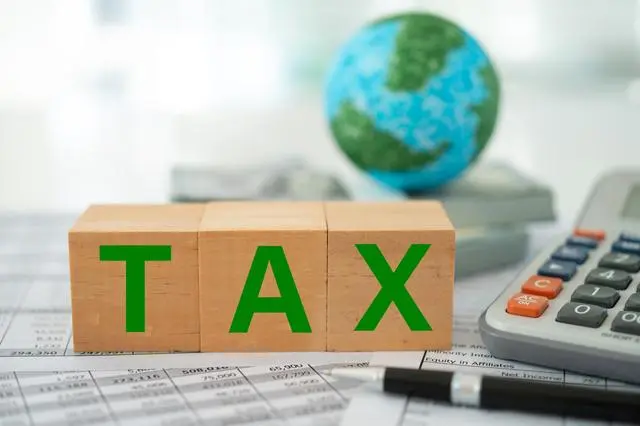
In Spain, the Value Added Tax (VAT) is an unavoidable tax for consumers when purchasing goods and services. This tax consists of two main components: the Value Added Tax (IVA) and the Environmental Tax (IE). The tax system is rich and varied, and is categorized into high, medium and low depending on the nature of the goods and services. Green Circle will analyze it in depth today:
I. Tax classification
Higher tax rate (21%): This rate applies to a range of high value-added services and goods, such as food and beverage services, cultural services, lodging services, and automotive services. These industries, due to the nature of the services they provide, often require more costs and resources to be invested and therefore higher tax rates apply.
Medium Rate (10%): The medium rate applies to basic goods and services such as food and beverages, stationery, furniture, clothing, books, etc. These goods and services play an important role in daily life and are relatively affordable. These goods and services play an important role in daily life and are relatively affordable, so the medium rate applies.
Low Tax Rate (4%): For certain essential goods and public services, such as food, medicines, care services, publications, etc., the Spanish government has adopted a policy of low tax rates in order to reduce the burden on consumers.
II. Industry Implications
Different industries are affected by different tax rates, resulting in distinctive market patterns. High-tax industries such as catering, culture and lodging require full consideration of tax costs in pricing, while at the same time providing consumers with a high-quality service experience. Medium-tax industries have won the favor of consumers by offering affordable and reliable services. Low-tax industries provide consumers with basic necessities and public services to meet their basic needs.
III. Policy management
In order to manage VAT more effectively, the Spanish government has formulated a series of policies. These include tax exemption policies, tax incentives, tax reductions and exemptions, and so on, with the aim of encouraging enterprises to innovate and promoting economic development. At the same time, the government has strengthened the formulation and implementation of tax regulations and improved the tax collection and administration system to ensure the effective collection and auditing of VAT.
IV. CONCLUSION
Spain's VAT rate policy reflects the government's precise regulation of the market and protection of consumer interests. Through the design and policy management of graded tax rates, the Spanish government has successfully realized the fairness and effectiveness of tax collection. In the future, with the development of the economy and changes in the market, Spain's VAT rate policy will continue to be improved and optimized.
 EN
EN  ZH_TW
ZH_TW  ZH
ZH