introductory
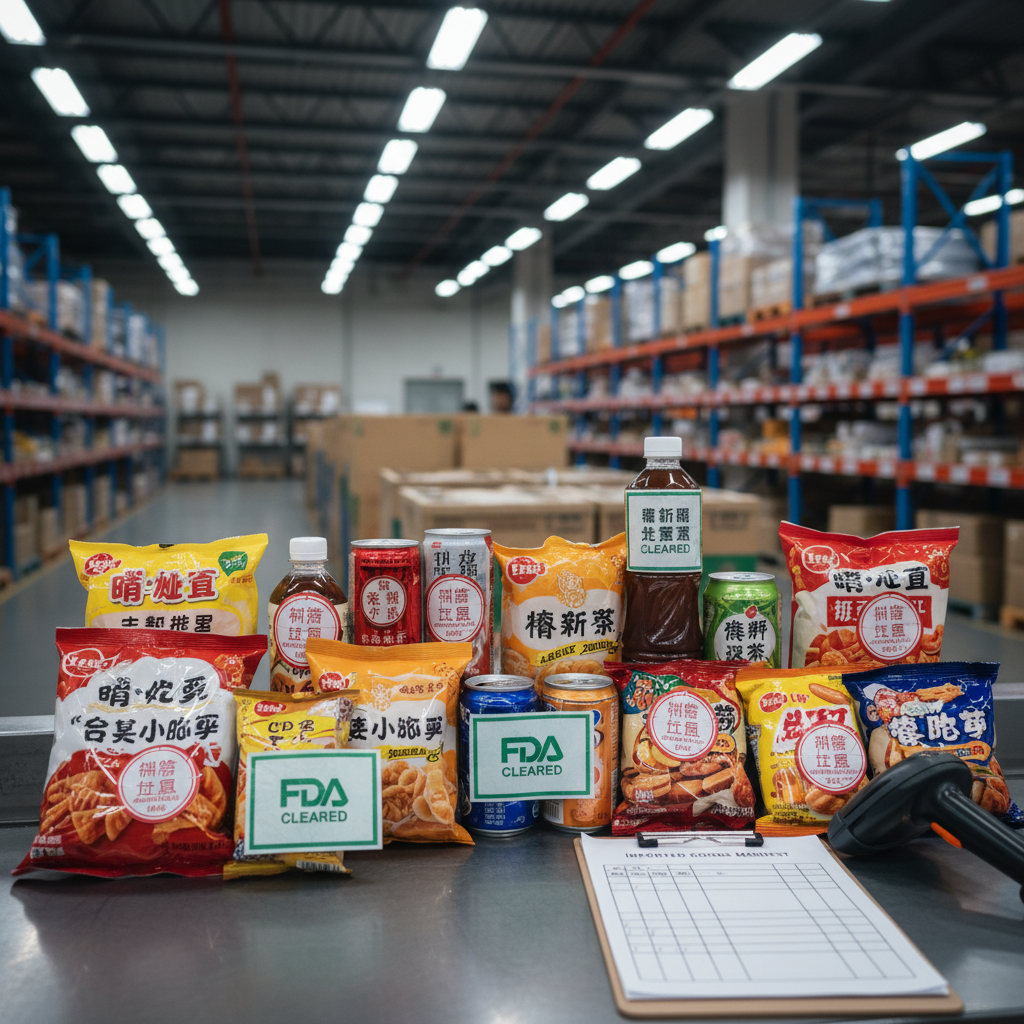
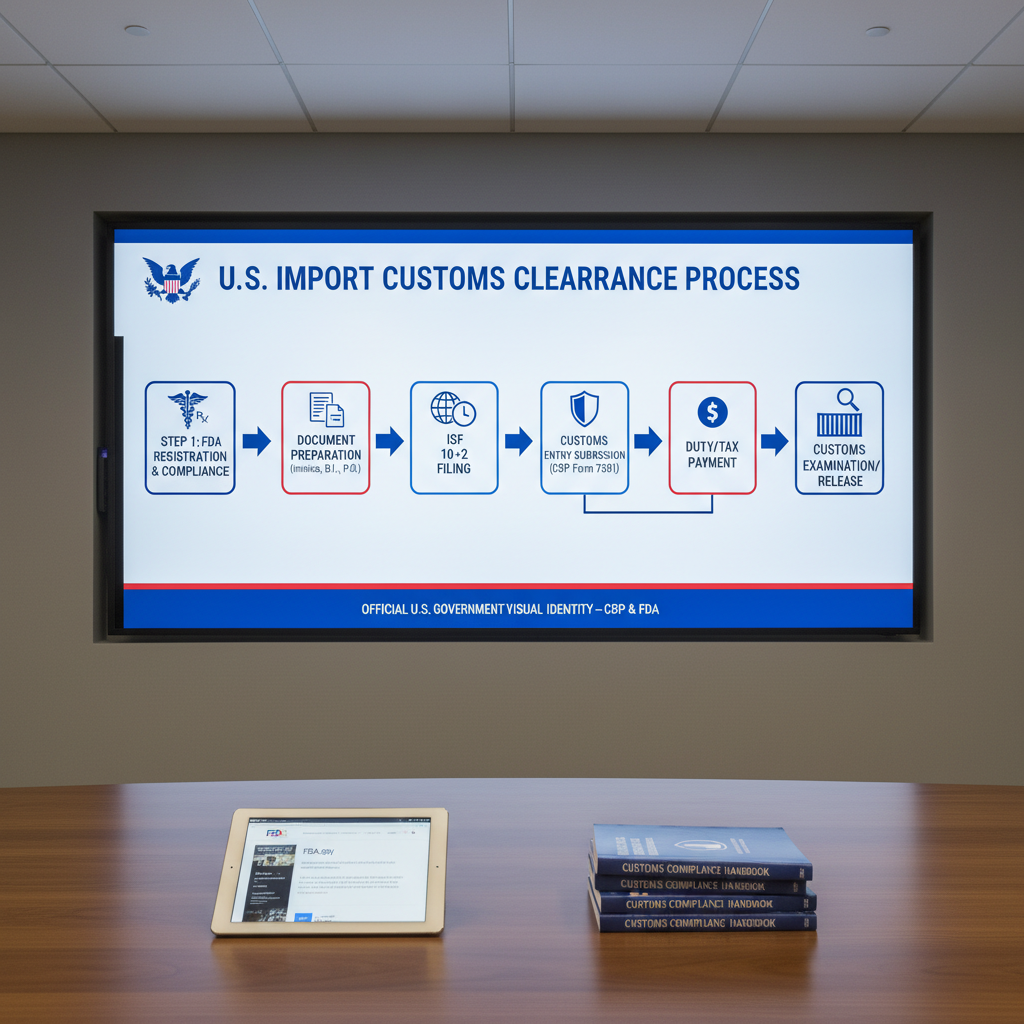
According toU.S. Food and Drug Administration (FDA)Statistics show that more than 40% of imported goods with completed food registrations are still subject to the inspection process when they are first declared. This means that even if you have completed the requiredFDA Food RegistrationYour cargo may still be held for inspection at the port. In this article, we'll take an in-depth look atFDA Food Registration Completed Still Under InspectionThe core reasons for the increase in the number of customs inspections, the actual operation mechanism of customs inspections, and the ways to achieve this goal throughgreen circleCompliance Strategies Effectively ReduceFDA Inspection Food Registration IssuesIt helps Hong Kong, Macao and Taiwan cross-border sellers to establish a complete risk management system.
Summary of Core Points
- Completed registration does not mean no inspection::FDA Food RegistrationBasic import thresholds only, does not mean goods can be automatically cleared through customs
- Checking the triggering mechanism: Inconsistent supply chain information, product category risk, historical records, etc. may trigger an inspection.
- Green Light Clearance Strategy: Establishmentgreen circleCompliant Documentation System for Grade Level, which can significantly reduce the probability of inspection
- Cost of Common Mistakes: Discrepancies in labeling, misdeclaration of ingredients, etc.FDA Inspection Food Registration IssuesMay result in destruction or return shipment
- Preventive measures: Building long-term customs advantages through ex-ante simulated inspections and supply chain transparency

FDA Food RegistrationThe Real Role and Limitations of
Basic functions of the registration system
According toFDA Food Safety Modernization Act (FSMA)The requirement is that all offshore factories exporting food to the United States must complete the registration of their facilities. However, thisFDA Food RegistrationThe program is actually a "qualification registration" rather than a "product certification".
A comparison of the relationship between registration and inspection:
| Project | The Role of FDA Registration | Customs Inspection Standards |
|---|---|---|
| legal status | Certificate of Export Eligibility | Batch-by-batch risk assessment |
| Audit Content | Facility Information | Ingredients, Labeling, Supply Chain |
| sell-by date | Updated once every two years | Independent judgment for each import |
| Data Link | Registration Number Only | Integration of 10+ government databases |
Experts' Reminder: Many sellers mistakenly believe that they are gettingFDA Food RegistrationThe number is a "one and done" solution, but in reality, the U.S. Customs and Border Protection (CBP) relies on the Real-Time Risk Scoring System to determine whether or not to conduct an inspection.
FDA Food Registration Completed Still Under InspectionThe six core reasons why
1. Supply Chain Information Inconsistency
U.S. Customs and Border Protection (CBP)The Automated Commercial Enterprise (ACE) system cross-references data from up to 15 fields. WhenFDA Food RegistrationWhen there are discrepancies between the factory address and responsible person information in the document and the actual customs declaration, the system will automatically mark it as high risk.
Common Inconsistency Cases:
- Inconsistency between the registered address and the actual manufacturing plant.
- U.S. agent information is out of date or cannot be contacted
- Incorrect Product Code
- Inconsistency between the English name of the manufacturer and the commercial invoice
2. product category risk level
The FDA categorizes foods into different risk levels based on historical data.U.S. Centers for Disease Control and Prevention (CDC)The study shows that the following categories have a high detection rate of 60% or more:
- Seafood products (especially cultured shrimp)
- Infant Foods and Formulas
- Dietary Supplement (Contains Chinese Herbal Ingredients)
- Ready-to-eat processed meat products
- Dairy and Egg Products
3. Labeling compliance issues
Even after completing theFDA Food RegistrationHowever, product labels still need to comply withTitle 21 of the U.S. Code of Federal Regulations, Section 101 (21 CFR 101)The detailed requirements of theFDA Inspection Food Registration IssuesOf these, labeling defects accounted for 35%.
Labeling check highlights:
- Format of Nutritional Composition Table (must comply with the new 2020 specification)
- Allergen Warnings (8 Major Allergen Labels)
- Net content units (metric and imperial double labeling)
- Manufacturer/Packer/Distributor Full Address
- Ingredient list sorted by descending order of weight
build upgreen circleLevels of Compliance Protection System
What is the "green light clearance" strategy?
"Thegreen circleThe term "low-risk, highly compliant sellers" is a common industry term for sellers who have established a well-developed documentation system that allows them to consistently receive a green light from the FDA and CBP. These sellers are able to maintain a green light in the FDA and CBP's risk scoring system by establishing a comprehensive documentation system, which greatly reduces the chance of being inspected.

Five-layer protection structure
Tier 1: Precise Maintenance of Registered Information
- Quarterly updatesFDA Food RegistrationInformation
- Ensure U.S. agents are available 24 hours a day
- Create a Product Category Code Comparison Table
Tier 2: Supply Chain Transparency
According toWorld Health Organization (WHO)Food traceability standards, establish a complete record of the production chain:
Raw Material Supplier → Production Lot Records → Quality Inspection Report → Shipping Documents → Logistics Tracking
Tier 3: Preventive Testing
entrustmentU.S. Department of Agriculture (USDA)Accredited third-party laboratories:
- Heavy Metal Residue Testing
- Microbial contamination test
- Allergen cross-contamination check
- Nutritional Composition Comparison
Level 4: Labeling Professional Audit
Professional consultants with background in FDA regulations are hired to conduct labeling audits to ensure compliance with the latest regulations.CFR StandardsThe
Level 5: Emergency Response Plan
- Prepare the English version of the quality certification document
- Establishment of rapid sample delivery mechanism
- Allowance of buffer time for customs inspection delays
FDA Inspection Food Registration IssuesPractice Case Analysis of the
Case 1: Taiwan Tea Exporter's Dilemma of Customs Deduction
A Taiwan Oolong Tea Exporter CompletedFDA Food RegistrationHowever, three consecutive shipments were inspected at the Port of Los Angeles. The investigation revealed the problem:
- Labeling of the product as "digestive aid" violates unapproved health claims
- The registered factory address is Nantou, but the actual packaging plant is in Taipei.
- Pesticide residue test reports are in Chinese and no English translation is provided.
Solutions::
- Modify labels to remove health claims and replace with descriptive language such as "made with traditional craftsmanship".
- Supplemental Packaging FactoryFDA Food Registration
- entrustmentSGSIssuance of English version of the test report
The exporter was successfully established three months later.green circleCustoms clearance records, the inspection rate dropped to below 5%.
Case 2: Misdeclaration of ingredients in Hong Kong health products
A Hong Kong company exporting dietary supplements containing Ganoderma lucidum was detained in the port of New York despite completion of registration. This is the core problem:
- The product label only indicates "mushroom extract".
- Not explicitly labeled as "Ganoderma lucidum".
- Lack of Dietary Supplement Statement (Dietary Supplement Statement)
According toU.S. Dietary Supplement Health and Education Act (DSHEA)Requires botanical supplements to be labeled with their Latin names.
Ten Specific Actions to Reduce Inspection Risks
Immediately actionable optimizations
- Verify the integrity of registration information: LoginFDA Food Facility Registration SystemMake sure all fields are correct
- Create standardized documentation packages: Prepare English compliance folder with COA, MSDS, inspection report.
- Use of Professional Customs Brokerage: Choose an FDA-experiencedNational Customs Brokerage Firms Association (NCBFAA)Membership
- Implementation of Batch Tracing System: Ensure that every batch of product can be traced back to the source of raw materials
- Regular simulation tests: Autonomous checking for complianceFDA Import Alert List
Long-term Compliance
Establishment of a digital management platform:
| System Module | Functional Description | Recommended Tools |
|---|---|---|
| Document management | Centralized storage of all compliance documents | Google Workspace |
| Batch Tracking | Digitization of production history | TraceGains |
| Label Audit | Automatic comparison of regulatory requirements | LabelCalc |
| Provider management | Supply Chain Qualification | Supplier.io |
Industry Insights: According toDeloitteCross-border Trade Report 2024, companies that adopt digital compliance management have an average reduction of 42% in customs inspection rate and a 3.5 times improvement in customs clearance time efficiency.
Guidelines for Handling Special Circumstances
Steps to take when goods are inspected
First Action List:
- Contacting customs brokers to confirm the type of inspection (document examination/physical inspection)
- Preparation of supplementary documents (usually within 5 working days)
- If sample testing is required, confirm the test item and estimate the time required.
- Evaluating Warehousing Costs and Alternatives
The key to avoiding double-checking:
- Completely solves all the problems found in the first inspection.
- Create a Corrective Action Report (CAPA) and keep a record of it
- Additional Increase in Documentation Completeness for Three Subsequent Cargo Batches
- Consideration of ApplicationsFDA Voluntary Qualified Importer Program (VQIP)
Special recommendations for high-risk products
For high-risk categories such as aquaculture and dairy products:
- advanced notification system: 72 hours prior to shipmentPrior Notice
- Third Party Certification: AchievementGlobal Food Safety Initiative (GFSI)Recognized certifications (e.g. SQF, BRC)
- Prepare for regular FDA plant inspections: Keeping the production site ready for inspections
Conclusion: Building Systematic Customs Advantage
FDA Food Registration Completed Still Under InspectionIt is not an accident, but a reflection of the need for complete compliance management. The realgreen circleThe clearance strategy is not just about completing the registration process, but about establishing an all-encompassing system that covers the supply chain, document management, labeling compliance, and quality control.
Three core recognitions:
- Registration is a starting point, not an end point: Ongoing maintenance is more important than a one-time registration
- Prevention is better than cure: The cost of investing in a compliant system is much lower than the loss of customs clearance.
- Professionalism is a necessary investment: Complex FDA Regulations Require Specialized Consultant Assistance
Recommendations for immediate action:
- Download the compliance checklist provided in this article.
- Contact a professional FDA compliance consultant to conduct a status evaluation
- Join Cross-Border E-Commerce Compliance Community to Get the Latest Regulatory Updates
- Investing in digital tools to build long-term competitive advantage
Remember, at a time when food safety standards are becoming increasingly stringent around the world, it is important to address the issue ofFDA Inspection Food Registration IssuesThe best way to do this is to make compliance part of your organization's DNA, not an ad hoc measure to cope with inspections.
Frequently Asked Questions (FAQ)
Q1: CompletedFDA Food RegistrationHow long will it take for the test to be conducted?
A: There is no fixed timing for the check. According toU.S. Government Accountability Office (GAO)According to the data, the probability of a product being inspected for the first time is about 35-50%, and can be reduced to less than 5% after a good track record is established. The key lies in product risk level, supply chain transparency and historical compliance performance. It is recommended to set aside an additional 7-14 days inspection buffer for the first shipment.
Q2:What kind of sellers are the easiest to getgreen circleCustoms treatment?
A: Sellers that meet the following criteria can usually establish a green light record: (1) no record of non-compliance for 12 consecutive months (2) use a GFSI-certified quality management system (3) take the initiative to provide complete supply chain documentation (4) use experienced U.S. agents and (5) have their product labels professionally verified as free of defects. These sellers typically have inspection rates below the industry average of 60% or more.
Q3: EncounterFDA Inspection Food Registration IssuesWhat are the most common mistakes when it comes to
A: The three most common errors include: (1) discrepancies between the nutrient content list on the label and the actual values exceeding the 20% allowable range, (2) incomplete allergen labeling or use of non-standard terminology, and (3) health claims that violate FDA regulations (e.g., words like "treatment" and "prevention of disease"). These problems accounted for more than 55% of all debarment cases, but could have been avoided through professional labeling review.
Q4: How can I confirm if my product is in the high risk category?
A: ReferableFDA Import Alert System (Import Alert)Check to see if your product category and country of origin are on the Priority Control List. In general, products involving animal-derived ingredients, requiring refrigeration, supplements containing active ingredients, and products from specific countries are categorized as high risk. It is recommended that the list be checked and updated on a quarterly basis.
Q5:If I have already been checked and detained, is there any chance to remedy the situation?
A: Absolutely. First, contact your customs broker immediately to find out the exact cause of the problem, and then submit a supplemental document or corrective action plan within the FDA's timeframe (usually 5-10 business days). If labeling is involved, you can apply for re-labeling in a bonded warehouse. The key is to be cooperative and address the root cause of the problem thoroughly to avoid affecting future credit ratings. About 70% of inspection cases can be successfully released through supplemental documents.
Links to related resources in this article:
- FDA Official Guide to Food Facility Registration
- U.S. Customs and Border Protection Import Information
- Global Food Safety Initiative Certification Standards
Popular Articles: (2026 Latest)
FDA Food Registration Guide|Taiwan Food Exports to U.S.A. Must Read (2026 Update)
FDA Food Registration Risk Analysis|Detention, Inspection and Common Errors (2026 Update)